What happens outside the clinic
A treatment plan that assumes a stable home and regular meals will fail quietly for anyone without both.
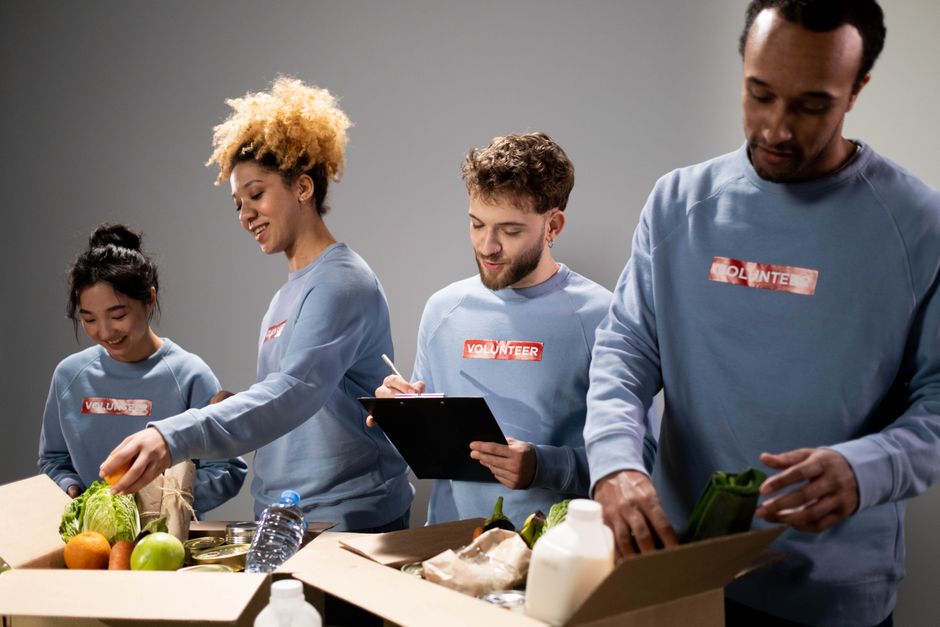
Nutrition is treatment
Managing diabetes, pregnancy or recovery requires specific food, consistently. Where that is not affordable, the clinical advice is simply not actionable, and the patient is recorded as non-compliant rather than unsupported.
Food programmes are under-claimed
Eligibility is usually wider than people assume, and the most common reason for not claiming is the belief that someone else needs it more. Programmes are budgeted for take-up, so unclaimed support is not redistributed to anyone.
Housing instability shows up as illness
Frequent moves disrupt treatment, prescriptions and follow-up. Cold, damp or overcrowded housing produces respiratory illness directly. Both appear in clinics as medical problems and are not medical problems.
Ask the clinic what it knows
Many community clinics keep lists of local food, transport and housing support, and will share them if asked. Few volunteer the information, because the appointment is short and the conversation is not clinical.
Bring one question
If the visit is short, the most useful question is often not about the diagnosis but about what support exists for following the plan. It is the question least often asked.
Applying is usually worth the hour
Application processes are tedious and the most common outcome of not applying is simply going without. Many programmes will help complete the form if asked, and that help is part of what they are funded to do.